Virginia
Virginia Beach, VA
Virginia Beach Boardwalk Cams
Source: Virginia Beach visitor webcam hub. Availability and feed ownership remain with the source.
Check the beach visually, then pair the camera with observed waves, swell period, wind, tides and official hazards.
Live beach cameras are one of the fastest ways to judge surface texture, visibility, crowd level and approximate breaking-wave shape. Southeast Coast connects that visual check to the deeper SEC Wave Report rather than treating a webcam image as proof of safe or favorable conditions.
Camera angle, zoom and lens compression can make waves appear larger or smaller. A camera may also be pointed away from the primary break or temporarily offline. SEC links to the legitimate source and keeps measured NOAA/NWS data separate from what you can see on screen.
12 core destinations, each connected to its Wave Report, Coastal Conditions and destination guide.
Virginia Beach Boardwalk Cams
Source: Virginia Beach visitor webcam hub. Availability and feed ownership remain with the source.

Nags Head Web Cams
Source: Town of Nags Head. Availability and feed ownership remain with the source.
Wrightsville Beach Webcam
Source: Official Wrightsville Beach tourism site. Availability and feed ownership remain with the source.

Myrtle Beach Web Cams
Source: Visit Myrtle Beach. Availability and feed ownership remain with the source.
Folly Beach Cam
Source: Visit Folly Beach. Availability and feed ownership remain with the source.
Sea Pines Beach Club Cam
Source: Sea Pines Resort feed via Live Beaches. Availability and feed ownership remain with the source.
Hotel Tybee Beach Cam
Source: Hotel Tybee feed via Live Beaches. Availability and feed ownership remain with the source.

Jacksonville Beach Webcams
Source: Visit Jacksonville. Availability and feed ownership remain with the source.
St. Augustine Pier Surf Cam
Source: Surfline feed via Live Beaches. Availability and feed ownership remain with the source.
Daytona Beach Area Live Cams
Source: Daytona Beach Area CVB. Availability and feed ownership remain with the source.
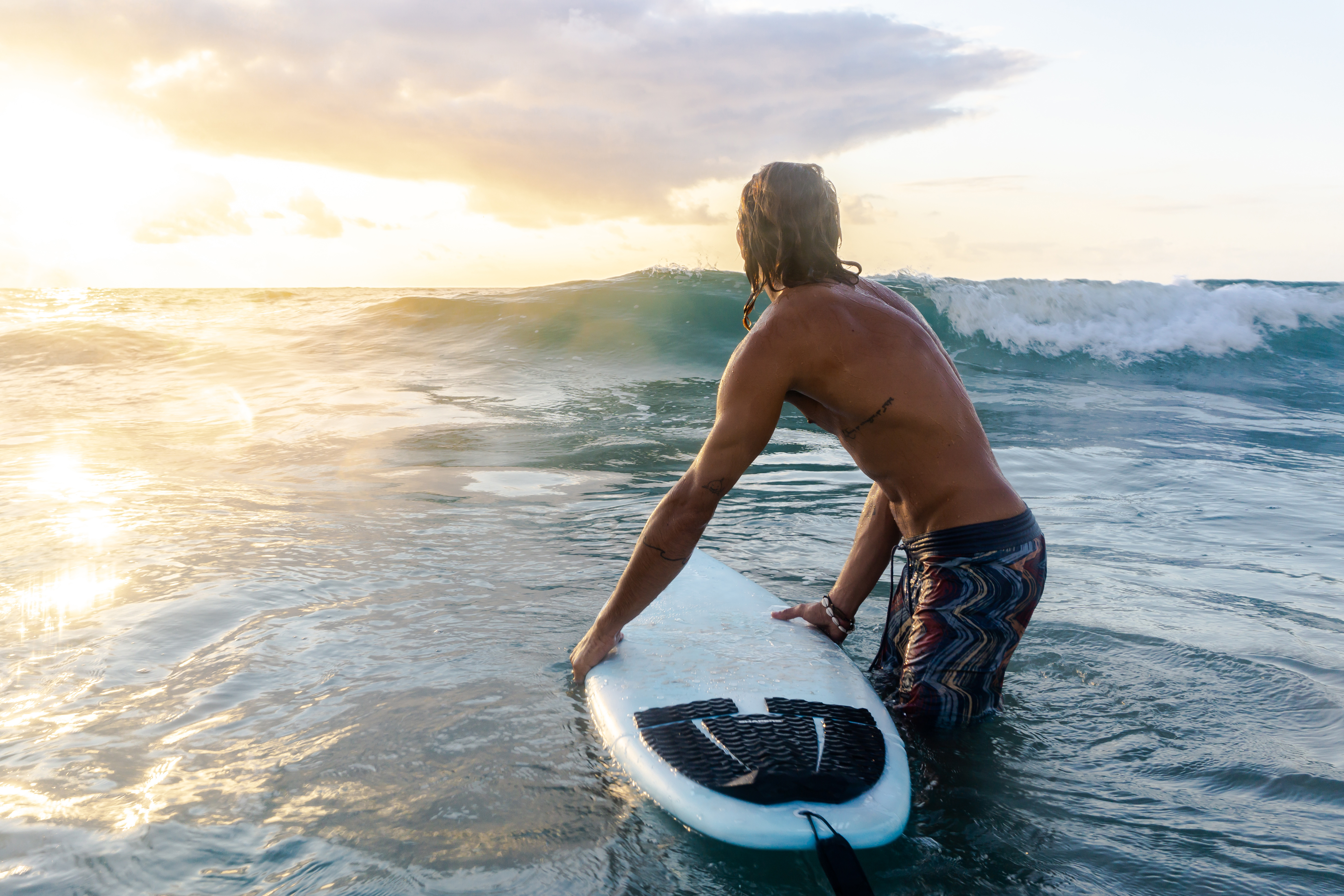
Cocoa Beach Oceanfront Cam
Source: Best Western Oceanfront feed via Live Beaches. Availability and feed ownership remain with the source.
Sebastian Inlet Jetty & Surf Cams
Source: Florida State Parks / Sebastian Inlet District. Availability and feed ownership remain with the source.
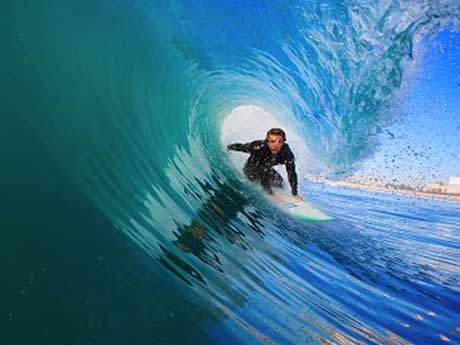
Glassy or lightly textured water can support what the wind layer is suggesting, while whitecaps and disorganized faces may show that local wind has become more influential. One camera angle may be sheltered while another nearby beach is exposed.
Piers, pilings and surfers can provide rough visual scale, but zoom level changes perception. Use the camera to verify shape and consistency—not to convert pixels into exact surf height.
A single frame can capture the largest wave of a set or a long lull. A live feed is more useful when watched through multiple sets and compared with buoy period and swell breakdown.
Rip currents, lightning, water-quality issues and other hazards may not be visible. Review official warnings and local beach flags before entering the water.